
Expansion
Expanding critical energy infrastructure
Continue building the infrastructure required to support industrial growth, improve reliability, and extend access to dependable energy systems across key markets.


Energy Transition
Genser Energy’s energy transition strategy is built around reliable infrastructure today and lower-carbon energy solutions over time, with a long-term commitment to providing energy solutions that are exclusively low carbon.
Transition Objectives
Genser Energy’s transition strategy is structured around three core objectives that guide how infrastructure is expanded, systems are converted, and lower-carbon projects are developed over time.
Expansion
Continue building the infrastructure required to support industrial growth, improve reliability, and extend access to dependable energy systems across key markets.

Conversion
Convert existing systems and fuel strategies over time, enabling a shift toward lower-carbon energy sources while maintaining reliability and operational continuity.

Development
Develop new renewable and lower-carbon projects that support long-term energy transition goals and strengthen the overall platform for future growth.
Wind Power Case Study
Genser Energy’s approach to energy transition is grounded in practical, phased development—building new capacity while maintaining reliability across its existing infrastructure. Current efforts are focused on advancing wind development in Ghana, with a long-term strategy that combines resource validation, pilot deployment, and scalable expansion over time.

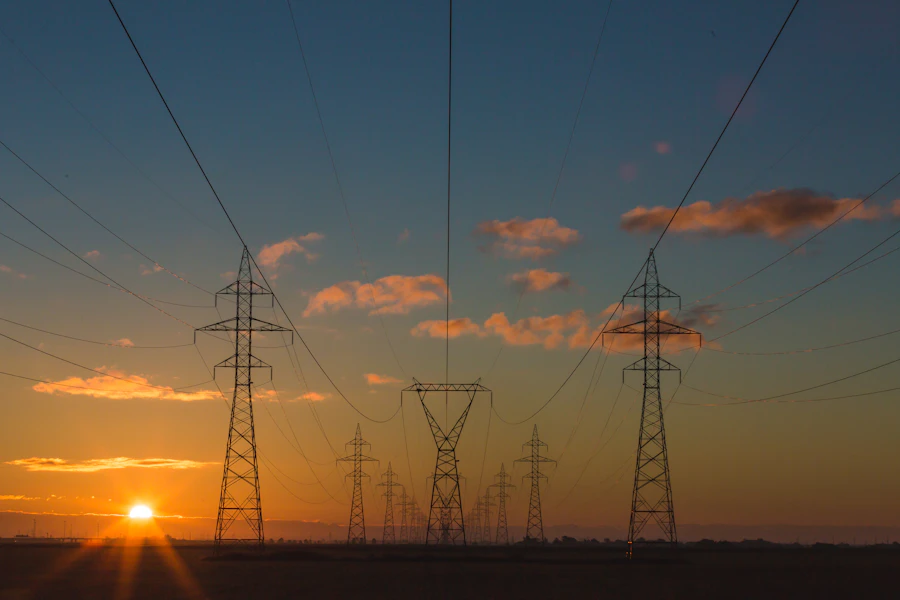


Genser Energy is developing a wind program in Ghana designed to support long-term, lower-carbon energy development. The program is focused on high wind-speed areas in the Eastern Region, where early-stage resource assessment and monitoring have been underway.
To support this work, meteorological masts have been installed and a multi-year data monitoring program is in place to inform modelling and project design. This phased approach allows for measured development—starting with a pilot phase and expanding over time as conditions are validated.
The broader program is structured to scale over the long term, aligning new renewable capacity with existing infrastructure and operational needs.
Ghana Wind Program
Two meteorological masts are currently in operation, supporting a multi-year data monitoring program designed to inform reliable energy modelling and project development.
The initial development phase focuses on a pilot site in the Eastern Region, with potential for approximately 28 turbines and an estimated 126MW of installed capacity.
The program is designed to expand in phases over a 10–15 year horizon, progressing toward a broader development target aligned with long-term energy needs.